It’s 11:50 p.m. Almost go time!
You park in front of your laptop and type: sneakersgallery.com.
Hearts racing, you hold your breath.
Two minutes left.
You refresh the page and a countdown timer appears.
60… 30… 10… 3, 2, 1!
The timer hits zero and automatically refreshes to the product page.
At lightning speed, you scan for your size. Add it to cart, and hit “1-Click Buy.”
Ding! Your email lights up with a confirmation—purchase complete.
Woohoo! You got them!
You refresh the page again, just to check. “Sorry, we’re fresh out!”
But not for you. You’ve won this sneaker race.
Time for some well-earned sleep.
—-
What madness drove you to stay up late to catch this drop?
Was it your intense love for designer sneakers? Probably.
But chances are, it wasn’t just hype. It was a strategic move by the company.
By using urgency and scarcity to trigger a sense of FOMO (Fear of Missing Out), it made sure they were going to sell their product to eager customers like you who were willing to stay up just to score a pair.
Businesses, from e-commerce sites to product launches, use FOMO to shape our behavior and response. It gets us to make quick decisions for fear we’re missing out on something amazing–something exclusive.
What’s FOMO and Why Does It Work in Marketing?
FOMO is that little knot in your stomach when you see others enjoying something you don’t have.
In marketing terms, it’s the fear you’ll miss on a limited opportunity, whether a product, a sale, or an exclusive offer.
So why is FOMO so effective? Because it’s wired into our decision-making process.
FOMO taps into our fear of regret. People dislike getting that “I should have bought that while I had the chance” feeling. This innate discomfort makes us act fast.
FOMO makes customers think, “If I don’t buy this now, I’ll lose the chance forever,” pushing them toward more rapid decisions.
By itself, FOMO is already powerful, but pair it with urgency, and you’ve got a one-two combo in your marketing hands.
Pairing urgency (the pressure of time) and scarcity (the limited availability), triggers a powerful psychological force pushing people to act. Urgency puts the heat on, while scarcity tells people this is their last shot.
When used right, this combination creates a now-or-never scenario in your audience’s mind, and who wants to miss out on something awesome, right?
The Psychology of Urgency and Scarcity in Marketing
So, let’s take a look at what’s happening in your brain when you experience urgency and scarcity.
The Feeling of Scarcity
Scarcity creates extreme value in products and items. According to research, the more exclusive or rare something is, the more people desire it.
Whether it’s limited-edition sneakers or just adding a “low stock” tag on a popular product, scarcity can make customers feel like they’re getting something others won’t.

The Sense of Urgency
On the other hand, there’s urgency. Think of urgency as a ticking clock. It’s a countdown that pressures people to make a decision right away.
Time-limited offers (“Only 24 hours left!”) or fast-moving opportunities push you to act before it’s too late. This taps into our fear of losing out, which nobody enjoys. Using the right psychological triggers can push even the most indecisive customer to act fast.
Urgency and Scarcity in the Marketing World
Two giants who use urgency and scarcity are Amazon and Nike.

Amazon uses its “Lightning Deals” to create urgency. There’s a small time window and limited stock–all designed to make you click “Buy Now” without thinking too much.

Nike, meanwhile, expertly uses scarcity with their limited-edition sneaker drops. They create a massive buzz which helps sell out stocks in minutes.
The good news is that these marketing methods aren’t exclusive to these giant corporations. You can also replicate this magic for your brand too.
Different Kinds of Urgency You Can Use in Marketing
How do you create a sense of urgency for your brand? Here are a few tried and true methods you can use for your marketing efforts.
1. Time-Based
Every time you see the words “24-hour flash sale” in your favorite storefront, how do you feel? Like most people, you’re probably excited to finally grab certain pieces you’ve been eyeing for a discounted price.
The limited time works like a ticking clock. In the customer’s mind, they only have a small amount of time to decide so they better hurry.
You’ll often find this type of time-based urgency in e-commerce websites. Usually, they will have a literal countdown timer flashing on the homepage to reinforce the idea that customers don’t have much time.
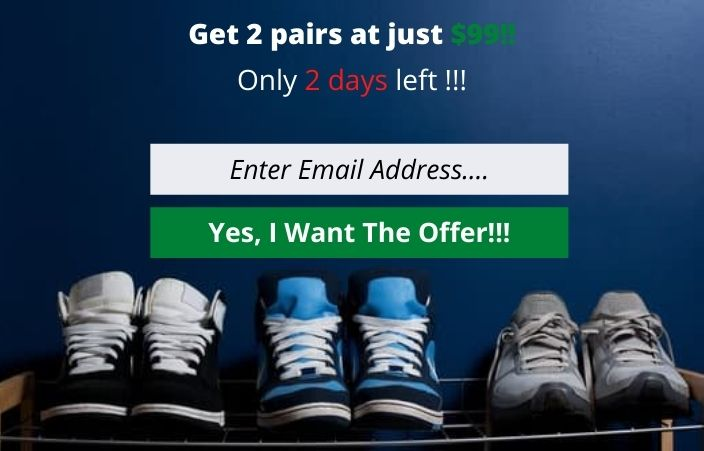
Tip: Use time-based urgency in your email campaigns or website pop-ups. Phrases like “Only 6 hours left!” or “Last chance today!” pressure people to act.
2. Quantity-Based
“Hurry! Only 3 left in stock!” Does this look familiar? This is quantity-based urgency at work. When customers think a product is about to sell out, they’re more likely to purchase it.
Platforms like Ticketmaster always show “only a few tickets left.” This move forces customers to act so they don’t miss out. It’s a lot more effective though when the value of the product is already solidified in the buyer’s mind.
Tip: Real-time quantity or stock counters on product pages can go a long way to creating quantity-based urgency. You can also include simple messages like “Selling fast!” or “Only 2 left!” to drive purchases faster.
3. Event-Based
Holidays or special events like Black Friday, naturally create event-based urgency because people know they won’t last forever. This type of urgency is most effective when it’s hyped up in advance. If you’re planning to use it, make sure you let your customers know weeks or days ahead before the event.
Tip: Use countdowns, sneak peeks, and exclusive previews to get people excited and create that FOMO before the event even kicks off.
How You Can Use Scarcity Without Losing Customer Trust

It’s common for brands to say “Last few in stock!” before more product magically reappears in the next day or two. This tactic, while common, can sometimes backfire on your brand since no one likes to feel like they’ve been tricked into buying.
How do you prevent this from happening?
Being transparent is key.
If you really have a limited edition release or only so many items available, feel free to shout it from the rooftops. But, don’t ever pretend something is scarce when it’s not. Customers know when you’re bluffing and faking scarcity can damage your brand’s credibility faster than you can say “sold out.”
Tip: Only use phrases like “Limited edition” or “Available for a short time” if it’s actually true. Customers will appreciate the honesty.
On the flip side, if you use deceptive scarcity it can lead to serious backlash. Customers will easily catch on. The moment they do, they’re less likely to believe anything you say in the future. Ethical marketing is always the way to go.
How To Create The Perfect FOMO-Driven Call-to-Action (CTA)
Once you’ve got that urgency in place, your call-to-action (CTA) needs to seal the deal. This is where you push customers to act now.
Using Language To Create Urgency
Phrases like “Don’t miss out” or “Get yours before it’s gone” work wonders. Weak CTAs like “Learn more” or “Check it out” don’t exactly scream urgency. Your words matter, and they should reflect the sense of now-or-never you’ve built up.
Tip: Always A/B test your CTAs. Try different versions to see which one gives you the best results. For example, compare “Buy now, limited stock!” to “Add to cart” and measure which one drives more action.
Use Smart Design Elements To Reinforce Urgency
Let’s not forget about the visual side of things.
Bold colors, timers, and prominent action buttons can all enhance that sense of urgency. A flashing countdown timer or a button that says “Claim yours now” in a bright color will push customers toward action.
Tip: Make your CTA button pop! Use contrasting colors, bold fonts, and compelling text to make it clear that action is needed right now.
Using Urgency and Scarcity in Marketing – Do’s and Don’ts
You have the basics down, let’s talk about a few best practices (and things to avoid).
Do’s
1. Make Urgency Real
Always have a legitimate reason for your urgency, whether it’s a price increase or a true stock shortage. There’s nothing worse than false urgency.
2. Personalize Urgency
Personalized messages like “Only 2 left in your size” feel more relevant and convincing. Use this type of urgency in emails or product pages to connect with your customers.
3. Use Urgency Sparingly
Never cry wolf. If everything always feels urgent, your audience will tune it out. Save urgency for important moments, like seasonal sales or exclusive product launches.
Don’ts
1. Don’t Create Fake Scarcity
This can seriously damage your brand’s trust. Keep it honest. Always be transparent about availability and deadlines.
2. Don’t Overwhelm Your Audience
Bombarding people with too many urgent messages at once can cause decision fatigue. Focus on one urgency tactic per campaign so your audience isn’t overwhelmed.
3. Don’t Overdo Urgency with Luxury Brands
In luxury marketing, exclusivity matters more than urgency. If your brand or product centers on this, then it’s best to focus on scarcity rather than time pressure. Balance scarcity with the aspirational appeal of luxury. Luxury buyers want to feel privileged, not rushed.
Wrapping Up
FOMO is a powerful tool in your marketing toolkit.
When combined with urgency and scarcity, it taps into the deep-seated fear of missing out, motivating your customers to act right away instead of later.
As you start experimenting with these marketing methods, remember to keep it authentic, measure your results, and, most importantly, make it fun for your customers.
Ready to give this a try?
Tick tock! Your next big sale could be just around the corner.
—-
Struggling with your advertising? That’s where I come in!
At Nicole Steffen Design, I specialize in crafting ad campaigns that don’t just look good but are ready to deliver results.
Book a call right now and let’s talk about how to make your brand campaigns convert.