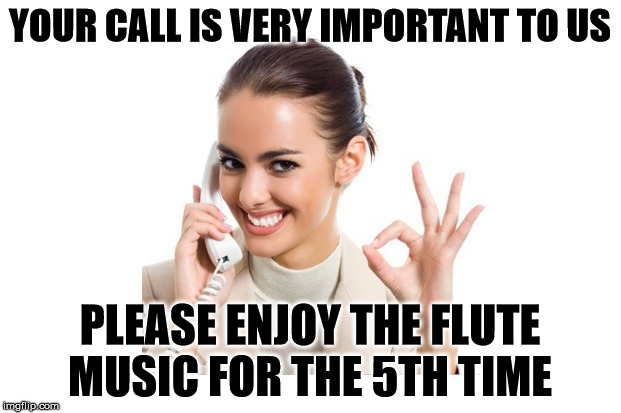
Agent: “Thanks for calling FizzleWitch. How can I help you?”
Customer: Your FizzleFresh 9000 dispenser turned my kitchen into a swamp. The water smells like cursed soup!
Agent: Oh? Have you tried turning it off and on?
Customer: It’s a water dispenser, not a laptop! I need answers! The manual says “Enjoy fresh, crisp bubbles with every pour. It’s been giving me the crypt keeper’s bathwater!”
Agent: Maybe you used expired water?
Customer: EXPIRED WATER?! Are you hearing yourself?! I think your machine is summoning ancient bog spirits into my sink!
Agent: We don’t officially acknowledge hauntings, but I can offer 5% off your next purchase.
Customer: So I can summon more bog spirits? No thanks!
Agent: Maybe your kitchen’s just… got bad vibes?
Customer: I’m calling corporate.
Agent: They’ll say the same thing. Maybe light a candle?
—-
And that, ladies and gentlemen, is how NOT to treat your customers.
Nobody loves getting complaints.
They can feel like a slap in the face, especially when you’ve poured your heart into a product or service.
But, complaints are actually gifts wrapped in frustration.
Every complaint is a customer taking time from their day to tell you what’s wrong (so you can fix it.)
For marketers, complaints are an untapped goldmine of insights. If you listen carefully, complaints can refine your messaging, improve customer loyalty, and even create new marketing opportunities.
So, rather than dreading complaints, let’s see how fixing customer complaints can turn them into your biggest competitive advantage.
Understanding Customer Complaints — What’s Really Going On?

Before you can tackle customer complaints, you need to understand them.
Complaints sound like random angry rants, but they’re valuable insights into what’s not working in your business. Think of them as free feedback (sometimes passionately delivered) that can help you improve.
I’ve broken down the most common types of customer complaints below and what they really mean:
Product Quality Issues — “This item broke after two uses!”
Nothing frustrates a customer more than spending their hard-earned money on a product that doesn’t hold up. Whether it’s a flimsy zipper, a promised luxury service that underdelivers, or a garment that shrinks two sizes after one wash, poor quality is a dealbreaker.
Customers expect reliability, even from budget-friendly products. If they feel shortchanged, they won’t hesitate to tell you and probably a few hundred others in an online review.
What to do:
- Review your manufacturing process and materials.
- Offer a hassle-free return or replacement policy.
- Communicate with customers about improvements or fixes right away.
Poor Customer Service — “I waited on hold for an hour and still didn’t get a resolution.”
Bad customer service transforms minor issues into a full-blown crisis. Customers reach out when they need help, and if they’re met with long wait times, unhelpful responses, or dismissive attitudes, their frustration skyrockets. Remember, they’re already upset about something, don’t make it worse by making them feel ignored.

What to do:
- Train customer service reps to be efficient, empathetic, and proactive.
- Invest in chatbots or self-service options to handle simple queries quickly.
- Keep customers informed. If wait times are long, set expectations
Unmet Expectations — “This didn’t look anything like the ad!”
Marketing is all about setting expectations. If the product or service doesn’t live up to the hype, customers feel deceived and no one likes feeling duped. Misleading images, exaggerated claims, or hidden details erode trust. Once trust is gone, it’s tough to win back.

What to do:
- Be transparent in your marketing. Show realistic product images or clear descriptions of what your service offers.
- Set honest expectations about features, functionality, service, and any potential limitations.
- If a product falls short, acknowledge the feedback and look for ways to improve it.
Pricing Concerns — “This isn’t worth what I paid for it.”
Customers don’t mind paying a premium if they feel they’re getting premium value. But if they perceive the price as too high for what they received, disappointment follows. It’s not always about being the cheapest, it’s about making sure the customer feels the price is justified.

What to do:
- Highlight the value and benefits of your product or service in a way that resonates with customers.
- Offer incentives, loyalty programs, or discounts to increase perceived value.
- If complaints persist, re-evaluate your pricing strategy
Usability Issues — “I can’t figure out how to use this.”
Even the best product is useless if customers can’t figure out how to use it. Complicated setups, confusing instructions, or unintuitive designs can frustrate users enough to abandon your product altogether.

What to do:
- Provide clear, simple instructions (videos and infographics help!)
- Streamline product design to make usability intuitive.
- Offer customer support that guides users through common issues.
The key to handling complaints isn’t just fixing problems, it’s understanding patterns. Are multiple customers mentioning the same issue? That’s a sign of a bigger problem needing attention.
So how do you use customer complaints? We’re gonna talk about that next!
The Hidden Marketing Potential in Customer Complaints
Let’s reframe complaints as free market research because that’s exactly what they are. Every time customers voice frustration, they hand you valuable insights on a silver platter. Smart marketers do more than listen, they act!
Here’s how complaints can fuel your marketing strategy:
1. Complaints Reveal Pain Points = A Marketing Roadmap
So, you now know that a complaint is a way for customers to give you a direct look into their struggles. When multiple customers are frustrated over the same thing, you’ve just uncovered a marketing goldmine.
Use this intel to refine your messaging, highlight solutions, and even shape new campaigns. For example, if users find your app confusing, don’t just fix it, launch a campaign showing off the sleek, new, user-friendly update. Not only do you solve the problem, but you also turn it into a selling point.
2. Complaints Guide Product Development
Some of the best product upgrades come straight from customer feedback. Look at Apple, they ditched the unreliable butterfly keyboard and brought back the more durable scissor-switch design after users complained.
When customers tell you what’s not working, take notes.
If they’re asking for a feature you don’t have, think about adding it. If they’re confused about how something works, create better instructions or a tutorial. Smart product development is more than innovation, it’s about listening.
3. Complaints Form Trust and Loyalty
Customers want to see action. Brands that acknowledge issues and actually fix them earn serious credibility. Harvard Business Review found that customers whose complaints were addressed and resolved quickly (less than 5 minutes) were more loyal and willing to pay more when availing services from the brand.
Actively responding to complaints is a strategic marketing move. When people see that you take feedback seriously, they feel valued.
How to Turn Complaints Into Marketing Wins—A Step-by-Step Guide
So, how do you turn angry customers into loyal fans? Simple: shift your mindset. Complaints help you build trust, refine your brand, and prove you actually care. Here’s how to turn them into your best marketing tool:
Listen Like You Mean It
No one likes feeling ignored, especially frustrated customers. Instead of getting defensive, hear them out. A simple “We get it, and we’re on it” can make a world of difference. People want to be acknowledged, not dismissed.
Respond Fast, Stay Honest
Delays make things worse. And silence, especially in the age of social media, often moves customers (I’m looking at you, Millennials, and Gen Zers) to air out their thoughts for everyone to hear and see. Jump in quickly, own up to mistakes, and offer real solutions. Transparency builds trust and trust builds brands.

Create a Feedback Loop
Make it ridiculously easy for customers to share complaints and even easier for your team to act on them. Use surveys, social media polls, and direct feedback forms. More importantly, track common issues and fix them before they snowball.
Empower Your Team to Fix Things
Customer service shouldn’t be a game of “Let me ask my manager.” Train your team to solve problems on the spot. Give them the tools (and authority) to turn complaints into positive experiences.
Fixing and Transforming Customer Complaints Into Marketing Gold
Here’s where it gets fun. Once you’ve addressed a common complaint, don’t just fix it but celebrate it!
- “You asked, we listened! Our newest update includes (new features)!”
- “We’ve improved (name service or product) based on your feedback. Here’s what’s new!”
This not only reassures current customers but also attracts new ones who love a brand that listens.
Case Studies — Brands That Nailed It
Glossier’s Balm Dotcom Reversal
Glossier, the beauty brand famous for its customer-first approach, reformulated its best-selling Balm Dotcom to make it vegan. But customers weren’t happy with the change. The new formula lacked the texture they loved. What did Glossier do? They listened. After months of feedback, they relaunched the original formula, proving they truly value customer opinions.

Measuring Success — Are You Actually Improving?
So, you’ve been handling complaints better, responding faster, and making real changes. But how do you know if it’s truly working? The key is tracking the right metrics. Here’s what to measure:
Customer Satisfaction Score (CSAT)
This tells you, in real-time, how happy customers are with your response. After a complaint is resolved, send a quick survey: “How satisfied are you with the resolution?” A high CSAT means you’re on the right track. A low one? Time to fine-tune your approach.

Net Promoter Score (NPS)
This measures how likely customers are to recommend your brand. If complaints are handled well, you should see an increase in promoters or loyal customers who vouch for you. If your score is low, it’s a sign that negative experiences are still outweighing positive ones.
Resolution Time
Speed matters. The longer a complaint drags on, the more frustrated a customer gets. Track how quickly your team resolves issues. Faster resolution = happier customers = better retention.
Repeat Purchase Rate
Want proof that customers trust you? Watch how many come back. A rising repeat purchase rate means they believe in your brand enough to stick around.
Social Sentiment & Reviews
What are people saying about you online? Are complaints decreasing? Are customers praising your improvements? Monitor social media and review sites to see if your efforts are changing the conversation.
The bottom line? If these numbers are improving, so is your brand. Complaints aren’t a sign of failure, they’re a roadmap to doing better. And when you do better, customers notice.
Wrapping Up
Complaints are stepping stones to building a stronger brand, deepening customer relationships, and fine-tuning your messaging. The brands that listen, adapt, and take action don’t just survive in a competitive market, they thrive.
So, the next time a complaint lands in your inbox, don’t cringe but embrace it!
It’s your customers handing you a blueprint for how to win them over.
Your Turn!
Want to turn customer complaints into strategic brand wins?
As a fractional creative director, Nicole Steffen helps businesses refine their messaging, elevate their design, and create marketing strategies that truly resonate.
Let’s take your brand to the next level. Book a call with Nicole Steffen Design today!