Hiring Manager: “So, why do you want to work here?”
Candidate: “Well, I’m super detail-oriented. Organized. I live and breathe systems.”
Hiring Manager: “Great to hear.”
Candidate: “But I also thrive in chaos. I like to keep it loose. No structure, just vibes.”
Hiring Manager: “…Okay. And what would you say is your biggest strength?”
Candidate: “I’m all about collaboration. Teamwork makes the dream work. Oh, also, I hate meetings and I don’t really ‘do’ Slack.”
Hiring Manager: “So, communication’s not your thing?”
Candidate: “Oh no, I’m known for my communication skills. Just not, like, consistently.”
Hiring Manager (confused): “Right…so, who are you, exactly?”
Candidate: “Depends on the day.”
–
If your brand sounds like this interview, we’ve got a problem.
Every brand in marketing craves trust, but few truly master it.
There’s a very real trust gap between what customers expect from your brand and what you can deliver.
And nope, we’re not talking about some abstract theory here. It’s totally measurable, and ignoring it is costing you more than you realize.
Luckily, bridging this trust gap doesn’t mean throwing more money at ads or shouting louder to get attention. It only requires one thing: brand consistency.
Consistency is what creates familiarity, and this familiarity leads to trust.
So why is brand consistency rarer than a snow leopard sighting? Why do even the smartest marketing teams struggle to nail it? And most importantly, how do you fix it?
Let’s unpack all of this, step by step, with practical advice you can start using today.
Why Brand Consistency Is Your Brand’s Backbone
So you’re shopping for a new jacket. You land on a brand’s website, and it looks promising. Clean design, modern fonts, a sleek, minimalist vibe. Nice.
You click over to the product page and suddenly, you’re hit with bright neon green, clashing graphics, and a layout that feels like it time-traveled from a 1980s catalog. Technically, it’s the same jacket. But it doesn’t feel like the same brand.
Then their emails start showing up, written in a tone that’s completely different from their ads. One’s trying to be formal, the other sounds like it was approved by HBO execs trying out “new things.” It’s confusing, a little jarring, and it makes you second-guess the brand entirely.

Like it or not, your audience isn’t as patient as you might think. They’re constantly scanning hundreds of brands every day. When your brand feels inconsistent, it forces them to pause and wonder who you really are. That hesitation sows doubt. And doubt kills trust.
On the flip side, every time your brand consistently communicates its values, style, and personality across every touchpoint, it becomes familiar. And when people feel that familiarity, they feel comfort, which leads to trust.
Follow that rabbit down the hole and you’ll realize that when people trust your brand, it leads to sales, loyalty, and word–of-mouth promotion.
This isn’t a random marketing idea. Studies have confirmed that brands that create a consistent presentation experience up to a 33% uptick in revenue compared to ones that don’t have consistent branding.
So yeah, it all starts with you showing up the same way: verbally, visually, and emotionally, every single time.
Where Brands Often Lose Their Way
Even with the best intentions, brands stumble. The usual suspects? Inconsistencies that chip away at trust before anyone even realizes it.
Visual Identity – When Your Brand Looks Like a Puzzle Missing Pieces
Let’s say your logo is crisp and polished on your homepage. But somehow, it looks blurry and pixelated in your emails. And that curated color palette you spent half the night agonizing over? Turns into a patchwork of weird shades on your Instagram feed.
This visual chaos is more than just an aesthetic issue; it signals to your audience that you’re not paying attention to the details. Instead of oozing “I’ve got it together”, it just hollers, “I’m not sure I got it together at all!”
Without consistent visuals, you’re playing fast and loose with your brand cred. That’s why defining and protecting your brand’s visual identity needs to be a top priority.
Brand Voice — Why Your Brand’s Personality Can’t Play Dress-Up
A brand voice is how your brand sounds when communicating with your audience.
If your website sounds like a friendly conversation with a friend, but your sales emails sound like it’s a military memo, then you’ve got what I call tone-of-voice whiplash. The same goes if your socials are witty and casual, but your LinkedIn posts are too formal or dry.
Your audience wants a brand personality they can relate to. Not a brand that wears a different mask depending on which channel they’re showing.
Having an inconsistent brand tone also breeds uncertainty about who you are as a brand. Worse, it’s going to make your audience question whether they can trust what you say.

Internal Silo Syndrome — When Teams Aren’t Singing the Same Song
Okay, are you ready for a truth bomb? (This one could sting a little.)
Brand inconsistency is an inside job.
When marketing, sales, and your customer support teams aren’t on the same page on your brand’s values and messaging, your customers will get mixed messages.
One team might say, “Hey, awesome choices! We’ll get your items to you right away!” while another will send a generic, “Order confirmed. Expect delivery in 2-3 business days.”
It might not seem like a big deal, but even a tiny disconnect in tone can disrupt customer interaction and undermine the entire brand experience for your customers.
If you want to bridge that trust gap, breaking silos and aligning your internal teams should be on top of your to-do list.

Cross-Channel Chaos — Why Your Audience Shouldn’t Have to Play Detective
Almost everyone is a multi-platform audience now. People seamlessly jump between social media, email, website, ads, and even scrutinize packaging before making a decision.
Getting all these touchpoints to tell a consistent story goes a long way to earning and building trust.
Show inconsistency, and your audience might start doubting your credibility or forget why they were even interested in your brand in the first place.
Being consistent means weaving a similar thread through all of these channels so your audience immediately recognizes it. They’ll immediately know what to expect every time they see your brand.
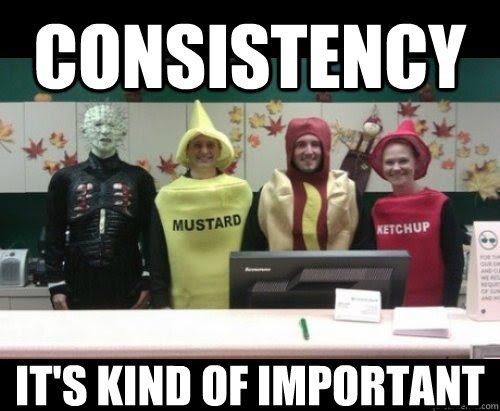
How You Can Close the Trust Gap — Your Brand Consistency Blueprint
Fixing brand inconsistency doesn’t mean you have to put your brand in a straitjacket. It just means building a flexible, but clear system that gives your team the power to create on-brand content without guesswork or frustration.
Here’s how you do it:
Nail Down Your Brand Clarity First
You can never show up consistently if you have no clue who you are.
Start with the very basics, like:
- What’s your brand mission?
- What core values guide your decisions?
- What’s your personality?
Always picture your brand as a person.
- How would they speak?
- What type of clothes would they wear?
- What jokes would they tell or even completely avoid?
Be specific about this part. The more details you can set here, the easier it is for everyone to understand and represent your brand in front of your audience. It’s the foundation of everything.

Create a Living, Breathing Brand Guide and Design System
Never bury your brand style guide in a dusty corner of your server. It’s your brand’s instruction manual for how to look, sound, and feel consistent. The same goes for your design system.
Your brand guide and design system should cover not just logos and colors but also typography, tone, brand voice, messaging pillars, and even specific scenarios and examples of how your brand speaks during launches, crises, or casual engagements.
Make everything clear, practical, and most importantly, usable for all of your teams. Bonus points if you can make it enjoyable so your team reads and uses it.
If you want to get strategic about this, my article How to Build a Design System That Works and Your Team Will Love dives deep into building design systems that stick.
Train Your Team Like You Mean It
Even the most awesome guides become useless if your team doesn’t know how to use them.
Make it a point to train your team. Host workshops, share examples of what “on-brand” and “off-brand” look and sound like. Create quick video tutorials on how to use design assets the right way. Concrete examples can help make abstract concepts stick better.
And nope, don’t think of this as a one-and-done thing. Keep the training and refreshers scheduled. Keeping consistency alive as your team grows and your brand evolves is key to making sure you’re on top of things.

Audit Every Customer Touchpoint
Look at all the places where your audience interacts with your brand. This could be your social media, email campaigns, packaging, ads, post-purchase communications, or your website.
If someone saw these without your logo, could they tell it’s from you? If not, what needs to change?
Consistency doesn’t just mean copy-pasting the same message everywhere; it’s staying true to your core brand personality while tailoring for context.
Refresh Without Losing Your Soul
You’d still recognize your best friend if they showed up to dinner in a bold new outfit, right? Maybe the hair’s different, the vibe is updated, but it’s still unmistakably them.
That’s exactly how your brand should evolve. Trends change and platforms shift. On occasion, your messaging needs to flex.
But underneath it all, your brand’s essence, its voice, values, and personality should still feel instantly familiar. Refresh all you want, just don’t lose what makes you recognizable in the first place.
Tools That Make Consistency Possible (Without Driving You Nuts)
Keeping your brand consistent across teams and channels is no small feat. Luckily, technology has your back.
Brand asset managers like Frontify or Brandfolder are lifesavers for centralizing logos, templates, and guidelines so everyone’s working from the same files.
Tools like Writer.com and Grammarly’s Business Style Guide help keep your team’s voice consistent in emails, Slack, and docs.
Adobe Creative Cloud Libraries and even Canva Teams are great for locking down fonts and colors in templates to prevent rogue design choices.
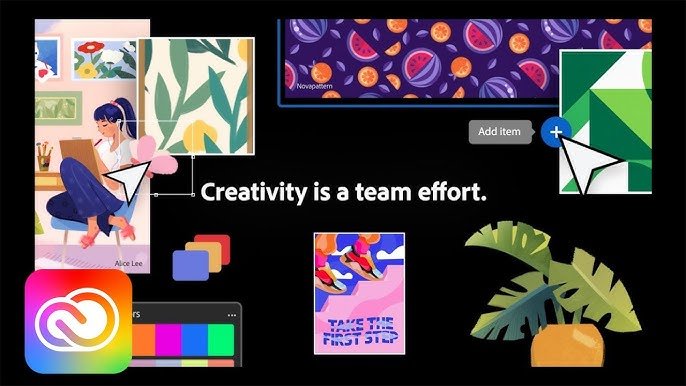
Project management platforms like Notion or ClickUp can house your style guide, training materials, and audit checklists so everyone stays aligned.
And if you’re leveraging AI tools to help write or design, make sure they’re trained on your brand’s style first. Otherwise, you risk sounding like a caffeinated chatbot, which, trust me, nobody wants.
The Real Deal — Consistency Takes Time, But It’s Worth It
Building brand consistency isn’t glamorous. And as cliche as it sounds, I’m going to say it, it’s a marathon, never a sprint.
It’s the repetitive act of showing up with the same look, voice, and attitude even when no one’s watching.
But stick with it enough, and that steady presence pays off. Consistent brands see higher conversion rates, more referrals, fewer internal headaches, and customers who trust them before the first sales call.
That’s the power of consistency. And it’s totally within your reach.

Wrapping Up
You’ve got everything you need to close the trust gap right now. The challenge is packaging your brand in a way that’s clear, consistent, and trustworthy.
Here’s a simple action to get you started.
Pick one customer touchpoint, such as your homepage, Instagram bio, or email footer, and ask, “Is this unmistakably us?” If not, fix it.
Then move to the next touchpoint next week. Slowly but surely, you’ll build a brand that feels like a reliable friend your customers want to keep coming back to.
If you need convincing on how design psychology builds trust, check out this article.
Remember, brand consistency isn’t flashy, but it’s the best weapon that turns brands into trusted favorites.
What do you say, ready to close that gap?