
The Audit Was Just the Beginning
Dana exhales, looking at the wall. “Well, we did the audit. Didn’t expect this many sticky notes.”
“Or quite so many ‘Oops,’” Lee says, adding one more. “But at least now we know what’s tripping people up.”
“Yeah, like the missing welcome email. And that thank‑you page that still says ‘Coming Soon.’”
Lee nods. “Audit’s done. Now comes the fun part: fixing it.”
Dana smirks. “And maybe adding that ‘How to use this’ card this time.”
Lee grins. “Fair. Let’s do it.”
—-
Congratulations! You’ve done it!

You asked hard questions, mapped the real client journey, and discovered more gaps than you’d like to admit.
An audit shows you what’s broken, missing, or just plain weird. But the real question is, now what?
You’ve done the messy part, called out the friction, and survived the sticky‑note explosion.
Now it’s time to fix what matters, turning “pretty good” into something seamless. Because your clients don’t just want a gorgeous box, they want to know what happens after the ribbon comes off.
Here’s how you can make sure they do.
Prioritize Like Your Sanity Depends on It
A thorough audit often uncovers more chaos than you ever thought possible, and if yours didn’t, you probably weren’t digging deep enough.
The knee-jerk reaction is to try to fix every single thing, all at once. That road leads straight to burnout, half-finished improvements, and a team that quietly slips back into old habits because nothing ever stuck.
Instead, give your findings breathing room. Sort them into three buckets and tackle them in a way that serves your business (and keeps everyone’s stress levels in check):

Critical Blockers
These are the glaring issues actively eroding client trust or making your team’s day-to-day feel like they’re herding cats. This shows up as missing welcome emails that leave clients wondering if you ghosted them, handoffs that drop crucial context, or project wrap-ups where clients feel like they’re left dangling in the void.
Experience Enhancers
These aren’t mission-critical, but they do add noticeable polish and make clients feel truly cared for. Think about clearer timelines or thoughtful status updates before they even ask. Personal touches that say, “Hey, we see you, and you matter.”
Nice-To-Haves
The icing on the cake. These are branded video messages, custom packaging, and beautiful offboarding gifts. They’re fun and memorable, sure, they make you feel fancy. But they don’t plug the biggest leaks in your process right now.
You want to start zeroing in on the critical blockers. These are the friction points silently eating away at your referrals, repeat business, and team morale.
Once the fires are out, you can layer on the experience enhancers and sprinkle in the nice-to-haves once the foundation feels strong.
And remember, often, the hardest part isn’t figuring out what needs to be done; you usually already know. The real challenge is actually doing it.
It takes discipline and focus to follow through, especially when it’s easier to stay busy with quick wins or distractions.
Design a Signature Client Experience
Fixing broken processes is your baseline. The real charm, the kind that makes clients say, “There’s just something different about working with them,” comes from intentionally shaping an experience that feels unmistakably you.
Every service business technically follows the same skeleton: inquiry, proposal, onboarding, delivery, wrap-up.
But what turns it from generic to unforgettable is how you choreograph those moments. It’s like everyone’s shopping from the same grocery list, yet some end up plating soggy takeout, while others serve something so thoughtful and cohesive it feels like an experience instead of a transaction.
You can do this by keeping the following things in mind:
Define Your Experience Principles
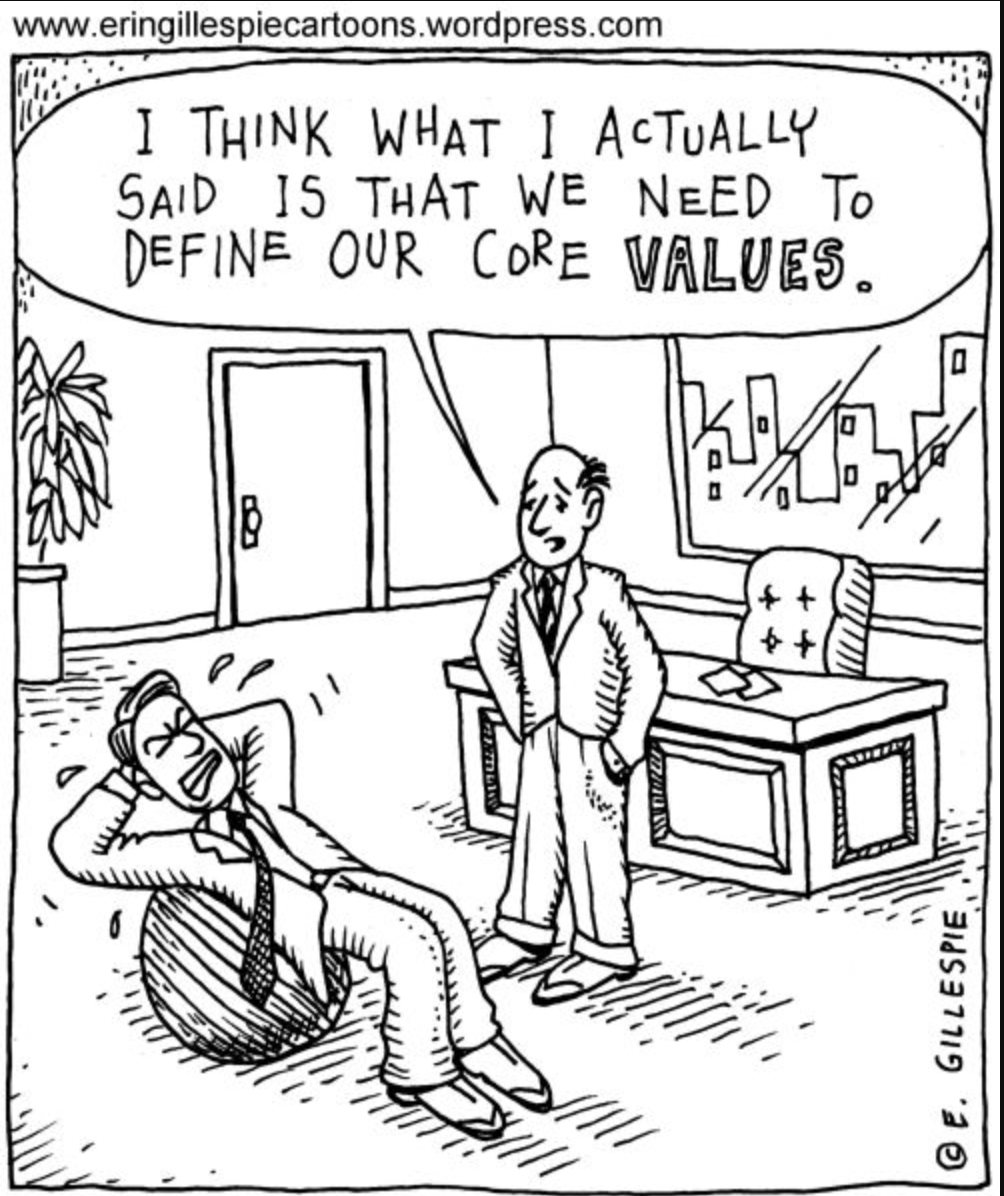
Ask yourself: What should every single client interaction subtly but powerfully say about us? Are you disarmingly candid? Warmly personal? Relentlessly thorough? More than just pretty words, these will be your north star.
They will help you decide what to keep, what to cut, and what deserves extra love. Without them, you’re just throwing ideas at the wall and hoping something sticks.
Identify Your Signature Moments
These are the touchpoints that clients still talk about months later. Maybe it’s the crystal-clear project brief that dissolves “What’s next?” anxiety. Those friendly video updates that’s keeping them looped in and excited. Or the beautifully branded offboarding kit that feels less like goodbye and more like “See you soon.” The point? Make these moments intentional, not random strokes of luck.
Build in Emotional Checkpoints
Don’t just rely on mapping what happens, and instead, design how you want clients to feel at each step. For example, energized after the proposal. Confident and cared for during onboarding. Proud and empowered at delivery and grateful and loyal at wrap-up.
You want to work backwards from those emotions, because while logic keeps projects on track, it’s emotion that wins hearts (and referrals).
Keep in mind, the goal isn’t to borrow someone else’s signature experience; it’s to craft your own. A signature experience feels authentic, lived-in, and so distinctly you, your clients couldn’t imagine going anywhere else.
Transform Your Insights Into Systems
The difference between a solid audit and actual, lasting transformation? Systems.
We touched on this briefly in the previous article. Once you have the results of the client journey audit, it’s about taking all those eye-opening insights and turning them into repeatable processes that deliver your thoughtful, signature experience.
And yes, this is a team effort, because let’s be honest, you can’t (and shouldn’t) be the only client experience whisperer on the team.
Create Decision Trees, Not Just Checklists
Checklists are great until something goes sideways (and yes, something always does). Instead of rigid, step-by-step instructions that crumble under pressure, build a flexible framework that helps your team think and respond.
Something like, “If the client seems confused about timelines, here’s our go-to explainer template. If they push back on scope, here’s the protocol.” The goal isn’t just ticking boxes, but empowering your team to make choices that feel on-brand and intentional.
Design for Handoffs
This is where client experience so often unravels. The project moves from one person to another, and suddenly the client finds themselves re-explaining what they just told you last week. It could also be the other way around, where the next person on your team starts re-explaining everything to the client, making them feel like they’re being talked down to. Not exactly seamless.

Create handoff protocols that capture more than task lists and include things like the client’s communication style, current worries, and what’s been working beautifully so far. That way, even when faces change, the experience still feels cohesive and deeply thought out.
Build in Quality Gates
Add intentional checkpoints where someone steps back and asks, “Does this keep the client feeling clear, supported, and excited?”
Not just, “Did we send the file?” but, “Does this feel aligned with how we want to show up?” Think of it as quality control for feelings as much as deliverables, because that’s what clients remember.
Remember: systems shouldn’t drain the personality out of your brand. When done right, they protect it, freeing your team to show up consistently, and a lot less day-to-day chaos.
Scale Your Improvements
Here’s where a lot of teams trip up when they do a full client journey audit and figure out all of the issues. They either want to fix everything at once or patch things one by one, instead of stepping back to design systems that last.
It’s like slapping a Band-Aid on a leaky pipe. Sure, it might hold till morning, but you’ll still be mopping the floor tomorrow. The real win isn’t fixing what’s broken today, but preventing tomorrow’s mess from happening in the first place.
Start With Template Libraries
Collect your best emails, proposals, project briefs, and anything that shapes your client journey into a living library. Think of it as bottling your brand’s voice so anyone on the team can pour it out consistently and thoughtfully. This keeps communication aligned, but still leaves room to sprinkle in a personal touch.
Reinventing every message from scratch is exhausting and risky. With the right templates, you get structure while leaving room for thoughtful edits to keep it human.
Use Progressive Disclosure
Nobody wants to open your gorgeously branded, 47-page onboarding guide on day one (sorry, it is pretty though).
What you want to do is share info bit by bit, as it becomes relevant, like breadcrumbs guiding your client through the process. It feels lighter, clearer, and way more considerate since that’s how you want your brand to come across.
Build Feedback Loops That Work
Don’t wait until the project’s over to ask, “So, how did that feel?” That’s like asking guests if dinner was okay after they’ve already driven home.
Instead, weave in quick pulse checks mid-project, milestone reviews, and team retrospectives. Catch little misalignments while they’re still easy to fix and before they snowball into something bigger.
Scaling doesn’t mean adding layers of complexity. It means designing smarter systems so your signature client experience is repeatable (project after project, client after client) without anyone burning out to make it happen.
Measure What Matters
Your audit gave you a snapshot of where you stand. But real, lasting change comes from keeping an eye on whether your tweaks are working.
Because not measuring is the fastest way to end up right back where you started.
Track Sentiment and Satisfaction
Forget the bland “How did we do?” survey that only nets you polite nods. Ask the questions that matter, like, “Did you feel clear about what was next after our kickoff?” “Was there anything that surprised you along the way?”
I’ve said this before and I’ll say it again: clients won’t always remember every deliverable, but they’ll always remember how you made them feel. And it’s those feelings that spark referrals, loyalty, and connection.
Keep an Eye on Team Sanity

A shiny new system that secretly creates extra headaches isn’t progress. It’s just frustration dressed up as a process.
Stick to real stuff. How long does it take to onboard a client, how many back-and-forth emails does your team need, and where do things still slip through the cracks?
If your team starts sighing every time they mention “the process,” your clients will feel that tension too. Good systems should lighten the load, not pile on.
Look for The Quiet Wins
Watch out for more referrals dropping into your inbox, clients coming back for bigger projects, and a team that feels energized instead of teetering on burnout.
Those are the subtle but powerful signs your experience is doing what it’s meant to do, building trust and keeping your brand top of mind.
I know what you’re thinking, no, this doesn’t mean tracking every metric under the sun. It’s measuring what matters. This includes what your clients feel, how your team works, and whether your brand promise holds up in real life.
That’s what helps you refine, adapt, and stay client-focused, not just in words, but where it counts.
Make It Sustainable
Even the most beautifully mapped client journey isn’t worth much if your team doesn’t use it. Next thing you know, you have folders filled with systems and processes no one uses, and everyone just drifts back into their old habits.
The thing is, implementation isn’t a box you check once. It’s a living thing that only works if it feels natural, not forced.

Document Everything, But Keep It Human
A massive playbook looks impressive until nobody opens it. Make it simple and easy to access, like quick one-pagers, clean visual flows, and simple checklists that feel obvious and approachable. If someone needs a decoder ring to follow your process, you’ve made it too complicated.
Breathe It Into Your Culture
Your client experience should shape how you hire, train, run meetings, and celebrate wins. Talk about it openly, share stories of what’s working, and call out great moments when your team nails it.
When it becomes part of your everyday language, it stops feeling like extra work and starts feeling like this is just how we do things here.
Expect to Tweak
Businesses change and teams grow, and so will yours. The market will change, too. So don’t treat your client journey like it’s carved in stone.
Schedule regular check-ins every few months, and keep someone accountable for spotting what’s outdated. Because the only thing worse than no process? A stale one everyone secretly ignores.
Don’t aim to build something perfect, but aim to create thoughtful, living systems your team wants to use, so your signature client experience keeps showing up, project after project, even as your business keeps evolving.
Wrapping Up
Doing your client journey audit and designing your ideal client journey is more than smoothing over the messy parts. It’s about building something that feels distinctly yours, an experience so intentional your clients can’t help but notice.
When your systems create real, human value and not just efficiency for its own sake, your reputation starts doing the heavy lifting. Clients find you. They stay longer, spend more, and even recommend you because working with you felt different.
The client journey audit told you where you’re starting from. Putting it all into practice is what moves you forward.
But the real magic shows up the moment you realize the experience you’ve built runs so smoothly, your clients barely notice the process at all. All they remember is how good it felt to work with you.
—
Ready to turn those audit insights into a brand experience that feels as thoughtful as it looks? Let’s make it happen with Nicole Steffen Design.