

What’s the first thing that comes to mind when you think about design?
Probably the usual suspects: glossy portfolios, case studies, mockups staged under lighting dramatic enough to qualify as theater.
And if that’s your mental image, it’s likely also where you begin when you’re hiring a designer.
You check their Behance profile, browse the “Work” page on their site, skim the résumé, and hop on a call.
During that conversation, everything sounds promising.
They’re fluent in Photoshop and every modern tool and can spin up a logo before your coffee even attempts to cool. They rattle off Adobe shortcuts with the confidence of someone reciting a second language.
On paper, everything looks good, so you make the hire.
And for a while, the work looks great — sparkly, polished, undeniably impressive.
Until the numbers roll in…great engagement, zero conversions.

Suddenly, you find yourself staring at an attractive campaign that’s doing nothing for your business.
You’re not the first. You won’t be the last.
So what’s going on here? Let’s peel back the varnish.
The Self-Taught Designer Dilemma
Over the past decade, design has opened its doors to everyone.
YouTube tutorials, Skillshare courses, and increasingly accessible software have made it possible for anyone with a laptop and a little curiosity to start creating. And you know what, that’s a good thing! Some of the most gifted designers out there have never set foot in a classroom.
But here lies the issue.
Many of these wildly talented designers are designing in isolation. They’re creating visuals, not communication. Executing requests instead of solving problems.
Inside the industry, we have a name for this: pixel monkeys.
Brilliant at making things look good; allergic to asking the one question that matters: Who is this for?
And no — it’s not because they don’t care. It’s because no one ever taught them how to connect craft with strategy.
When you skip the fundamentals, you skip the foundation. Many self-taught designers never get a deep grounding in design principles, hierarchy, typography, or color theory because they jumped straight into mastering the tools. They learned how to make things, not why those things work.

Knowing Photoshop isn’t the same as knowing design. Even the best self-taught designers can forget that.
Yet businesses continue to hire based almost entirely on portfolios and tool fluency, without ever testing a designer’s ability to think strategically. It’s the hiring equivalent of choosing a chef because they own really nice knives.
Now, this isn’t a knock on self-taught designers at all. But it is a callout of a hiring blind spot.
Companies often mistake technical skill for creative intelligence, and that misunderstanding quietly erodes the effectiveness of everything that follows.
And that’s where the real damage starts to show, not in the design files, but in your marketing results.
Why Audience-Blind Design Tanks Your Marketing
When designers ignore your audience, the fallout doesn’t just dent your marketing — it sinks it.
You get deliverables that look incredible in a portfolio (might even be award-worthy), but they don’t nudge a single metric you care about.
Empathy is the backbone of good design, yet it’s the step most designers skip. And it will show.
You see it clearly when someone is designing for a product they’ve never used or a market they’ve never tried to understand. Without that connection, they’re designing with their eyes closed and hoping instinct will save them.
And this is a real problem because a beautiful design that confuses people is still a failure.
You can have the most stunning website in your category. The kind that makes other designers zoom in just to admire your spacing. But if your enterprise buyers can’t find the demo request button, congratulations, you’ve just funded a very expensive mirage.
At the center of this all is a mindset problem.
Many designers, especially those without much B2B mileage, approach projects with a “make it look good” mentality and never a “help the business succeed” one. You know what I mean, they will value aesthetics over outcomes, art over clarity, and vibes over strategy.
And that tiny shift in priorities (barely noticeable from afar) is what separates design that gets attention from design that gets results.
It’s also where an even bigger issue starts to slide into view.
Why “Yes” Designers Are the Worst — The Order-Taker Problem
Order-taking designers are dangerous to your business for one simple reason: they never push back.
They don’t question your assumptions, flag missing context, or warn you when you’re steering straight into an expensive mistake.
You say, “Make the logo bigger,” and badabing, badaboom, they make it bigger. Comment, “use a bit more purple,” and suddenly the entire campaign looks like it’s auditioning for Welch’s grape juice ad.
There are zero questions or a strategy. Not even a pause to ask if any of it serves your goals.
And sure, the moment of compliance feels convenient. Who doesn’t enjoy a creative partner who just nods and delivers?
But that’s not partnership. That’s production.
A designer who doesn’t ask about your audience, your brand positioning, your conversion goals, or your competitive landscape isn’t designing; they’re just decorating. They’re executing your requests without applying the critical thinking that turns visuals into results. In short, they’ve become a well-paid tool operator. A human version of, “Sure, whatever you want.”
You deserve more than that.

The best designers don’t just take orders; they elevate them. They ask smart questions and challenge you when it matters. Importantly, they care enough about your outcomes to risk a little friction in the service of a stronger result.
If your designer always agrees with you, it might feel easy, but easy rarely leads to effective.
And that’s where the real cost starts to show up.
The Real Cost of Bad Design Hires
When you hire a designer who doesn’t understand audience-focused design, the costs stretch far beyond their project fee.
Let’s break it down:
- You waste time in endless revision loops because the direction was flawed from the start.
- You waste money producing assets that don’t convert because no one stopped to ask whether your audience would even respond.
- You waste opportunity because your brand fails to connect with the very people you’re trying to reach.
Every design decision should stem from solid user and market insight.
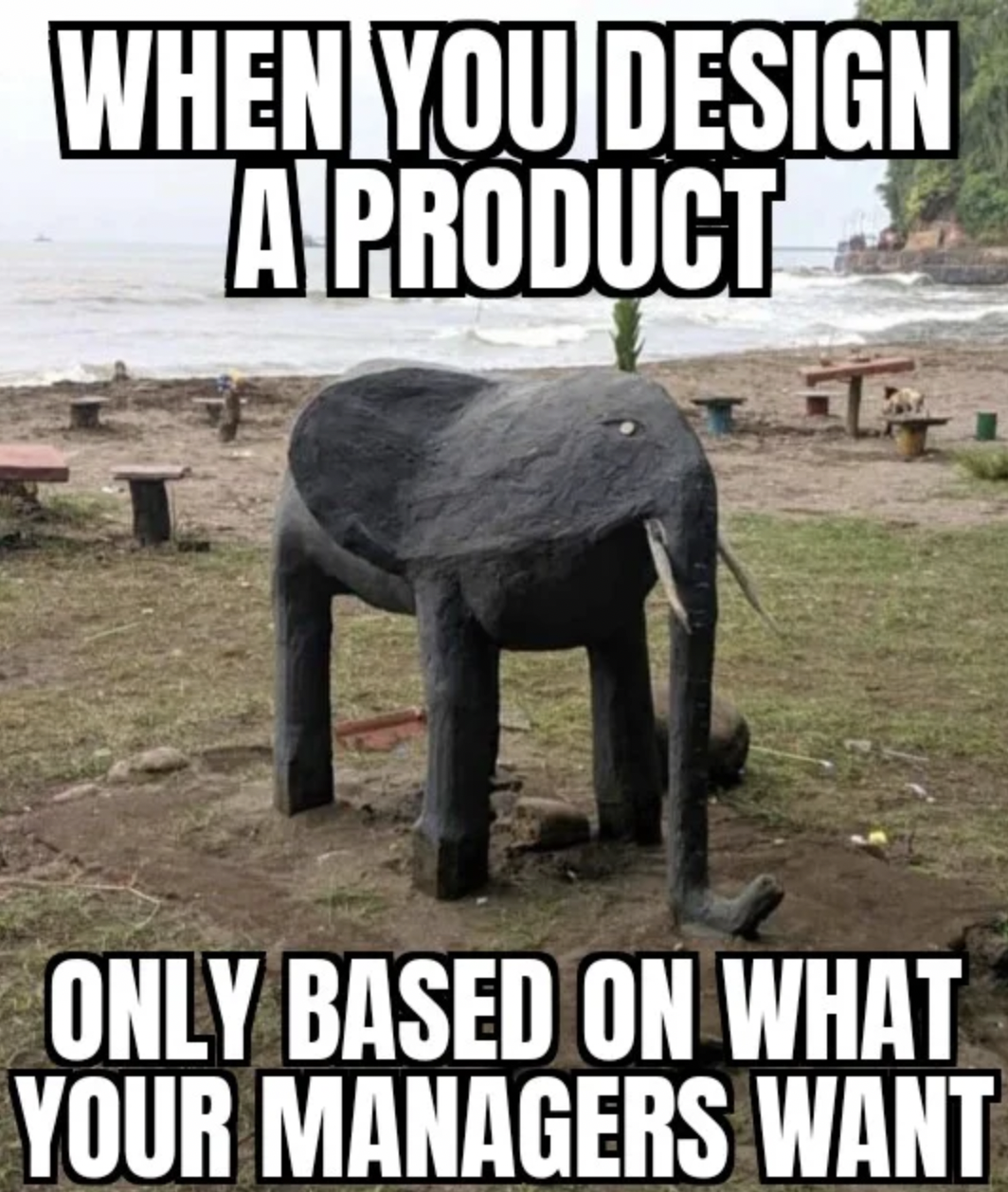
When designers skip that step, they create bloated, unfocused work that tries to appeal to everyone and ends up resonating with no one.
For B2B companies, the damage compounds even faster. Sales cycles are often measured in months, not minutes.
And most buyers are sophisticated, multi-layered decision-makers. They’re not impulse-shopping at 2 a.m. on Instagram. You simply can’t afford design that doesn’t understand that reality.
What Strategic Designers Do — Beyond Making Things Look Nice
The difference between a so-called pixel monkey and a strategic designer comes down to one thing: process.
Strategic designers don’t start with what looks good. They always begin with questions — lots of them. The kind that makes you think harder about your business than you expected to.
They want to know:
- Who exactly are you trying to reach?
- What keeps that audience up at night?
- What objections need to be addressed?
- What language resonates with them (versus what you think should)?
- What are your competitors doing, and where are the gaps?
- How is your brand positioned in the market?
- What specific action do you want people to take?
Because typography, color, layout, and navigation are never aesthetic whims. They’re strategic tools, chosen to move a specific audience toward a particular action.

And when it comes to B2B, the design game changes entirely.
Your audience isn’t a single consumer; it’s a committee. The CMO wants brand alignment, while the CFO wants measurable ROI. The end user just wants something that makes their life easier. A strategic designer understands how to communicate to all three without watering down the message.
The best designers know that:
- Consistency builds trust
- Clarity drives action
- Empathy fuels connection
They’re not designing for other designers to applaud at the next AIGA meetup, but designing to help your business win.
How White Papers Expose Design Thinking
Want a quick way to tell whether a designer thinks strategically? Ask them how they’d approach designing a white paper.
I’m serious, this one question will tell you everything.
White papers are the ultimate stress test for design thinking. They demand both strong visual skills and deep strategic understanding. They’re dense, content-rich documents that need to be authoritative and engaging.
They have to work for multiple audiences — the technical expert who wants every data point and the executive who just needs the highlights.
Designing a white paper that’s truly on-brand goes far beyond matching colors and fonts. It means reinforcing your company’s tone, values, and credibility through every visual choice. This means using design to enhance readability, guiding the reader through complex information in a logical, digestible way.
A designer who treats a white paper as simply making a PDF look nice is missing the point entirely.
Meanwhile, a strategic designer will ask:
- Who’s reading this?
- How familiar are they with the topic?
- What’s the most intuitive way to structure the content?
- Where should the eye go first, and what do we want them to remember?
- How does this piece fit into the larger marketing funnel?
The questions they ask (or, tellingly, don’t ask) reveal everything you need to know. They expose whether a designer is thinking about your audience, your strategy, and your business objectives, or just about how to make something “look professional enough to bill you for.”
And if you’re wondering how to spot those warning signs early, well…
Red Flags When Hiring Designers
As you evaluate potential designers, whether for your internal team or your next big project, keep an eye out for these warning signs.
They Lead with Tools, Not Process
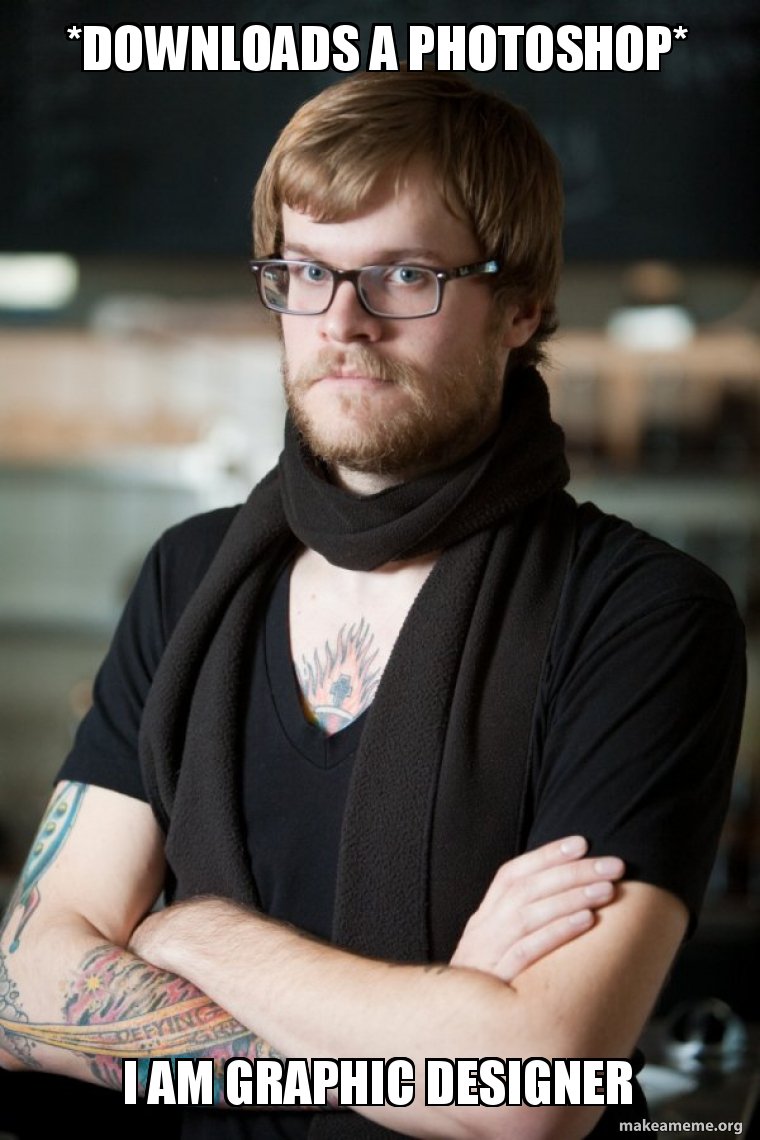
If a designer’s pitch revolves around what software they use rather than how they solve problems, proceed with caution. “I’m an expert in Adobe Creative Suite” tells you nothing about their strategic thinking. Tools are just tools, valuable, yes, but meaningless without context.
Designers who skip the fundamentals often miss the basics of good, clean, professional design. The kind of things formal training drills into you early.
Their Portfolio Lacks Variety
A one-note portfolio screams inexperience. It signals that the designer hasn’t tackled diverse audiences, industries, or objectives.
Strategic designers adapt their approach like chameleons. They can flex from enterprise tech to consumer lifestyle without losing clarity or purpose. If everything in their portfolio looks like it was made for the same hip startup in Brooklyn, that’s not a style, but a limitation.
They Can’t Articulate Strategy
Ask them to walk you through a past project and explain why they made the choices they did. If the answer is “I thought it looked cool” or “the client wanted bright colors,” that’s not strategy, but decoration.
A strong designer can connect their visual decision to an audience insight or a business objective. They don’t choose a layout “just because.” Instead, they choose it because it moves something forward.
They Promise Fast Turnarounds Without Discovery
Strategic design takes time. Anyone promising instant results without a discovery or research phase is essentially agreeing to do whatever you say. Remember, no questions, no insight, and no strategy. You’ll get exactly what you asked for, which is seldom the same as what you need.
They Never Ask About Your Audience
This is the nuclear red flag. This is the one that should make you hit the big red button and slide down the emergency chute.
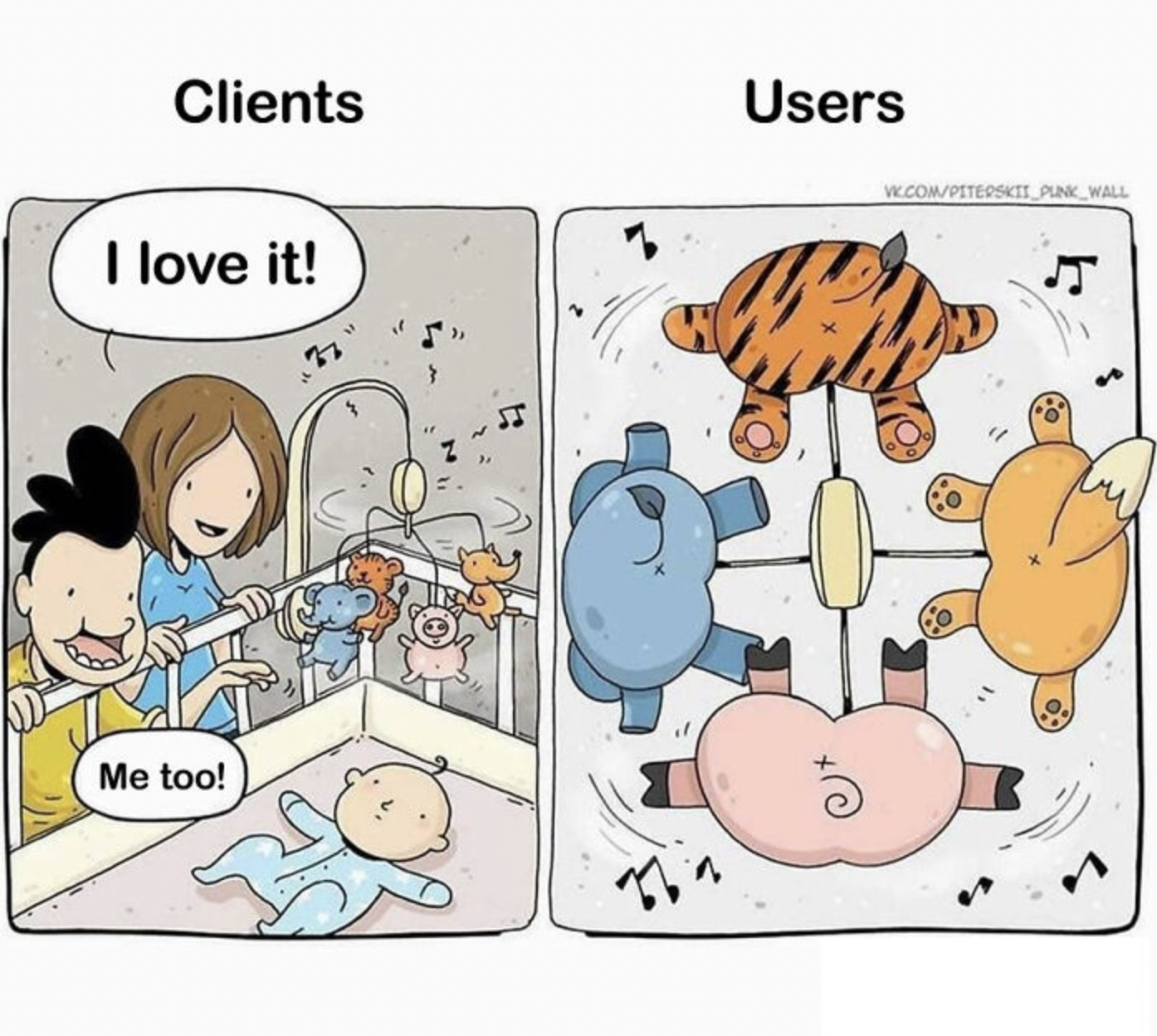
Every effective design starts with a clear understanding of who it’s for. This means considering what the audience values, how they think, and what drives them to act. If a designer doesn’t ask about these things, they’re not designing for impact and only designing for themselves.
Now that you know the warning signs, what do you need to keep an eye out for?
Signs You’re Working with a Strategic Designer
The right designer brings far more than technical skills. They bring curiosity, strategic thinking, and genuine interest in your business challenges and not just your design preferences.
Look for designers who ask thoughtful, probing questions from the start. The kind that dig into:
- Your brand voice and positioning
- Your audience demographics and psychographics
- Your competitive landscape
- Your business goals and success metrics
Strong designers can clearly explain their process. They can tell you how they research, develop concepts, and iterate based on feedback. They’ll have opinions grounded in data, experience, and best practices, instead of fleeting trends they saw on Dribbble last week.
They’ll also discuss past projects in terms of outcomes, never just visuals. These designers can explain what problem they were solving, who the target audience was, and what measurable results they achieved.
Most importantly, seek designers who see themselves as strategic partners, not vendors.
They care about your success beyond collecting a check. They design with intent, test with empathy, and measure against results.
Because in their world, design isn’t just what it looks like. It’s what it does.
The Case for Professional Design Partners
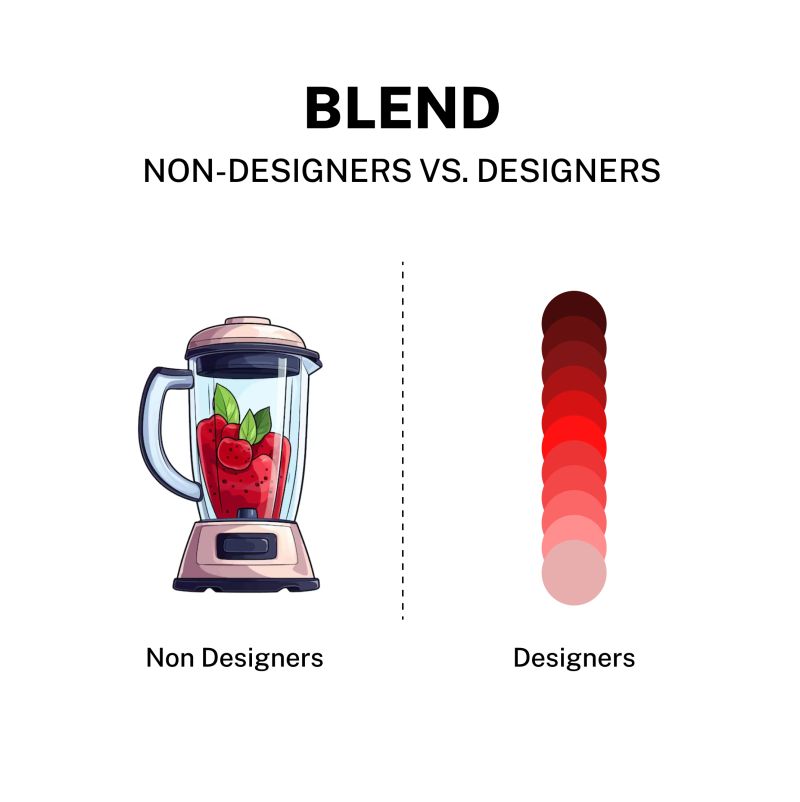
For enterprise-level marketing teams, experienced design partners aren’t a luxury, but a necessity.
You need people who understand the complexity of B2B buying journeys, can build cohesive campaigns across touchpoints, and collaborate without constant hand-holding.
That’s where seasoned creative directors or established design firms shine. They bring tested processes, strategic frameworks, and the confidence to push back when it matters. They’ve seen what works (and what doesn’t) across industries, audiences, and platforms.
Professional design partners don’t just execute your vision; they will shape it.
They bring perspective, uncover opportunities you may be too close to see, and connect every design choice to a business outcome. Plus, they also know when to follow your brand guidelines religiously and when to break them intentionally for real impact.
Once you find the right partner, treat it like what it is: a collaboration, not a transaction.
Give them the context they need, like your audience insights, goals, and challenges, not just specs. Be open to pushback, I mean, that’s what you’re paying for. And evaluate success based on whether the design works for your users, not whether it matches your personal taste.
The best client–designer relationships are built on trust, shared expertise, and a mutual commitment to results, not just pretty pictures for your next conference booth.
Wrapping Up
Three important things to remember:
- Stop settling for designers who just take orders.
- Stop hiring based purely on software skills and Instagram aesthetics.
- Stop accepting design that looks great in a vacuum but collapses in the real world.
Your brand is too valuable, and your marketing dollars are too important. And most importantly, your audience deserves more than surface-level visuals that don’t speak to their needs or motivations.
Demand more from your designers. Expect strategy, empathy, and business understanding alongside technical skill. Look for partners who challenge you, collaborate with you, and measure success in outcomes, never likes.
Because the right designer doesn’t just make things look good. They make your business more effective, more credible, and more connected to the people who matter most.
And really, that’s the only kind of designer worth hiring.


