
Auditing the Client Journey Series, Part 1
“Perfect! Looks gorgeous. Customers love the unboxing moment,” Dana exclaims while tightening the ribbon.
“Cool. Quick question though, should we tell them how to actually use it?” Lee chimes, holding instructions in his hand.
Dana looks at him, then looks back at the pretty box.
She shrugs, “Eh. They’ll figure it out. Probably.”
“Yeah, what could possibly go wrong?” Lee adds.
—
Sometimes it’s not what you add to the client journey, it’s what you forget to check.
We love pretty things. Fancy packaging, clever copy, dreamy onboarding emails, it’s the fun part, right?
But sometimes the real problem isn’t what you forgot to add. It’s what you forgot to walk through yourself.
Because that last scene? It’s funny until it’s real life and your actual clients are left unboxing a gorgeous mystery, wondering, “Now what?”
That’s why a client journey audit matters. It makes sure the thoughtful, beautiful experience you designed is the same one your clients feel.
Let’s dive into why this matters and the sneaky gaps you might be missing.
Your Business Is Growing, But Why Does It Suddenly Feel Worse?
You’re booking more clients, expanding your team, creating killer ad campaigns, and getting to the point where your calendar has strategy days blocked off. From the outside, this looks like success. And it is.
But behind the scenes? You’re feeling it.
One client gets a dreamy onboarding experience, clean timelines, smooth handoffs, and clear communication. Another is left wondering if their payment even went through. One team member sends buttoned-up emails that feel like your brand. Yet another fires off something that might as well have been typed with thumbs.
Your business isn’t falling apart, but it’s starting to feel patchy.
The problem isn’t your service. It’s the experience surrounding it, and how inconsistent that experience is becoming as you grow. Most people don’t notice it until a client points it out. Worse, they don’t say anything at all. You just don’t see them ever again.
That’s where a client journey audit comes in.
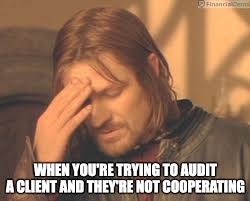
What Is a Client Journey Audit?
A client journey isn’t a rebrand or a software stack. Instead, it’s a methodical review of how clients move through your business. This is from the moment they find you to the moment they wrap up (and ideally, come back or refer someone). It’s less about surface polish and more about operational alignment.
You’re doing this through two main lenses:
- Internal: How your team is operating. Think handoffs, communication, delivery, and decision-making. Are people guessing? Repeating each other? Creating workarounds that no one else knows exist?
- External: What the client experiences. Do they feel supported? Do they know what’s coming next? Or are they second-guessing whether they made the right choice?
Auditing your client journey doesn’t mean blowing up your business and rebuilding from scratch. It’s spotting the friction points, then tightening, smoothing, and systemizing them so the feel matches the promise of your brand.
At its best, a journey audit reveals where you’re accidentally making things harder than they need to be for your team as well as for your clients.
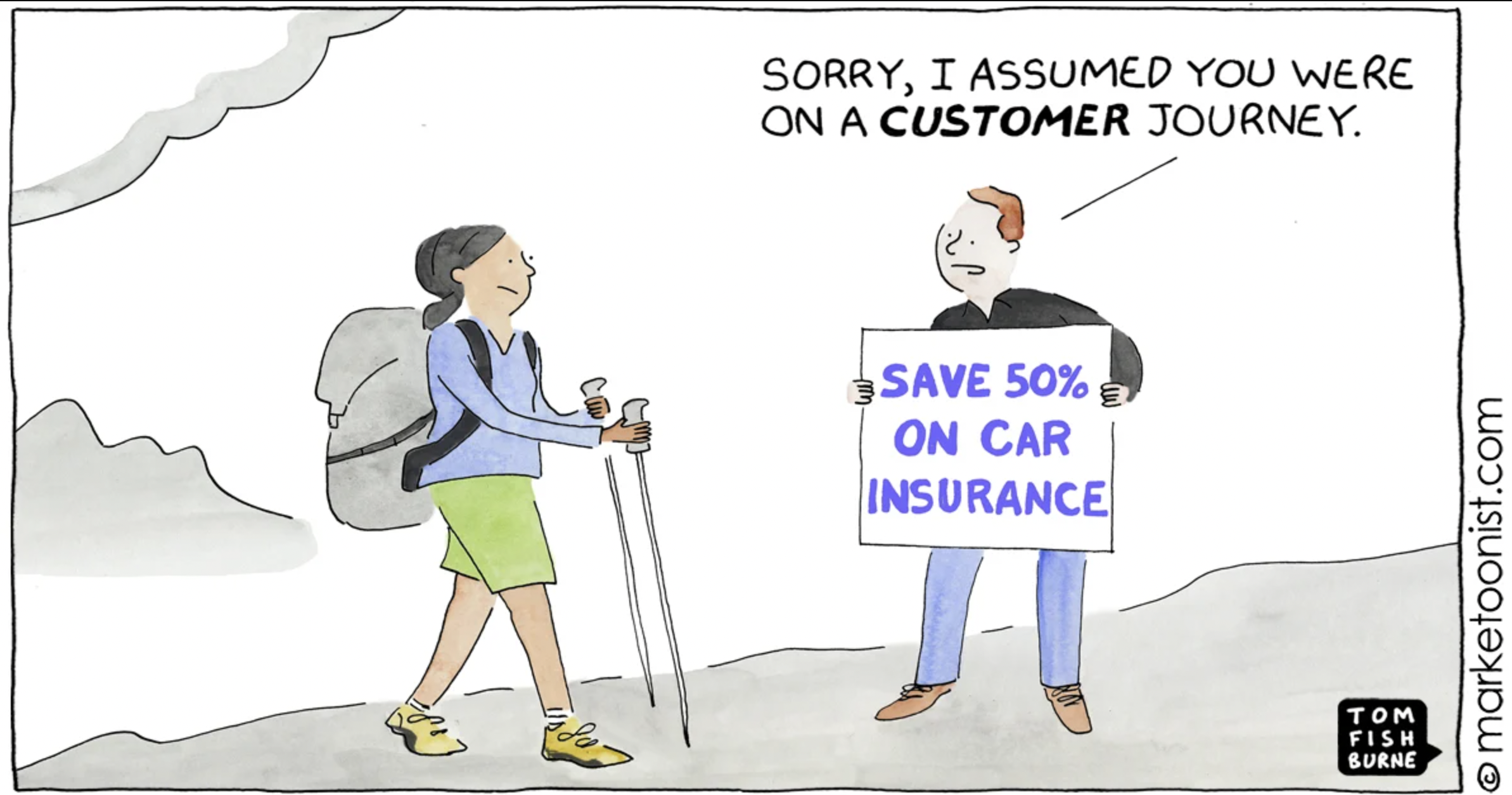
Why This Matters (Especially When You’re Scaling)
As your business grows, so does the margin for error.
What was initially instinctive now gets filtered through layers. You get more projects, more people, and more moving parts. And when the client journey isn’t clearly defined, every one of those layers becomes a potential point of friction.
You’re not just polishing for polishing’s sake, but it’s about the trust you create.
Clients rarely remember what you did for them. But they will always remember how you did it, whether they felt guided every step of the way or left guessing on their own. That feeling you create through your process becomes your brand.
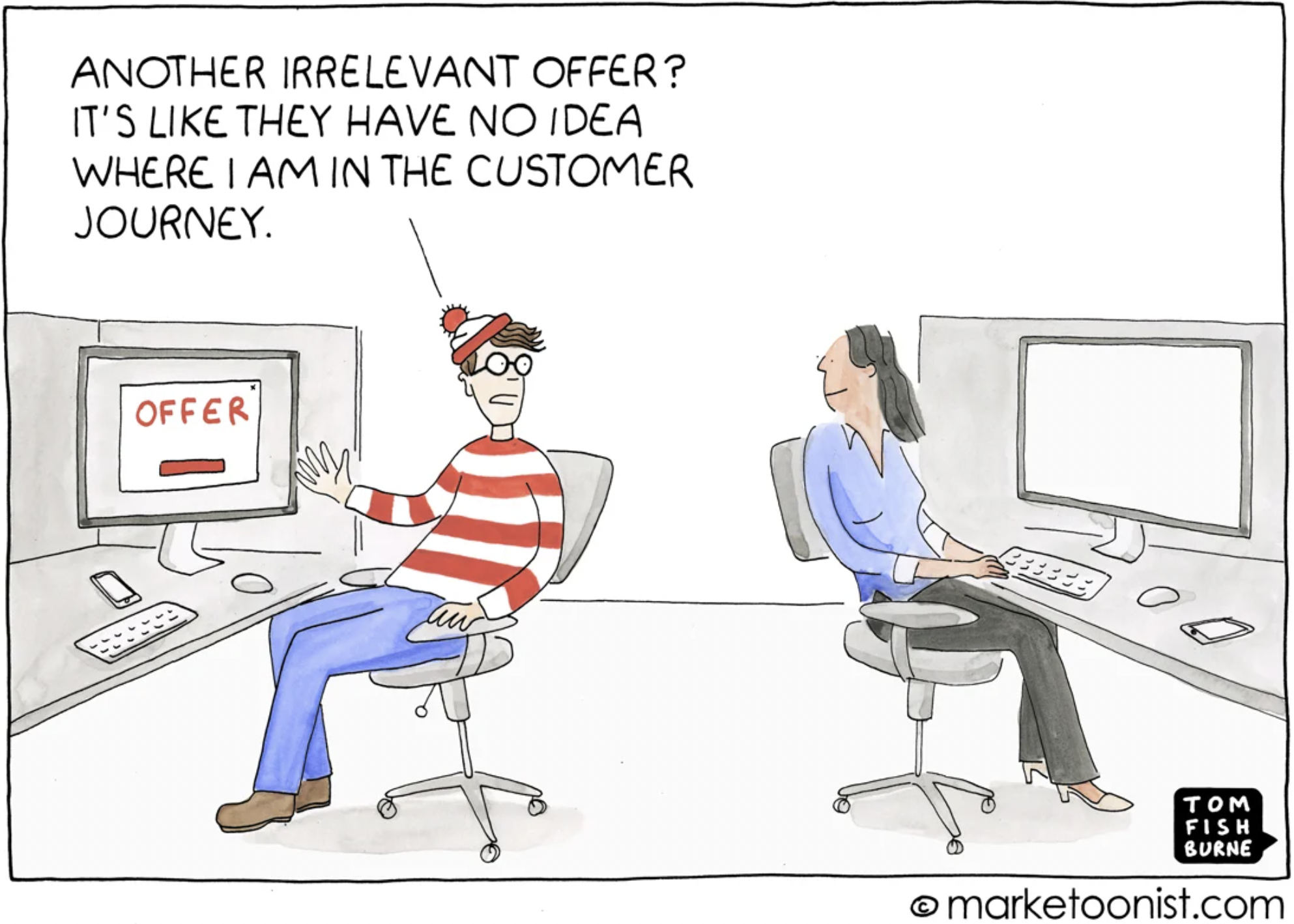
So if your internal systems are duct-taped together, the client can feel it, even if you’re delivering great work. And when that friction starts to show up consistently, it costs you in repeat business, referrals, and in your team’s bandwidth.
You can grow with messy operations. But you won’t grow well.
Red Flags to Watch For (Before You Need to Sound the Alarm)
You don’t need a disaster to justify auditing your journey. But if you’re seeing these signs, it’s time.
1. Your Emails Have Identity Issues
Some email responses are thoughtful and brand-aligned. Others read like someone panic-Googled “how to write a client update.” If your communication isn’t cohesive, your brand won’t feel cohesive either.
2. You’re Answering the Same Questions (Constantly)
If clients are asking, “What’s next?” or “Who should I talk to about this?” or “Is this included?” then your client journey isn’t clear enough. Repetition is a symptom of confusion, never curiosity. This is something you need to address as soon as possible.

3. Everyone Has Their Way of Doing Things
Your ops person has one workflow while your designer has another. Meanwhile, your assistant does things from “how it was done the last time.” If your business is in this state of affairs, then you’re not running a business, but a choose-your-own-process buffet.
4. The Project Just Ends
There’s no handoff or offboarding. No feedback. Once a project’s done, clients drift away, and you lose the chance to wrap things up well. No time to gather testimonials or ask for referrals. More than being polite, it’s about creating long-term brand equity.
The Real Cost of Misalignment
Yes, your team is still getting things done. But if they’re doing it differently every time, your system isn’t a system but a patchwork of things running on friction.
Friction slows things down and wears people out. If left unchecked, it burns through the two things you need to grow, which are your team’s capacity and your client’s trust. And eventually, it burns through you, too.
The solution isn’t more hands on deck. It’s a smarter structure. A structure that gives your team clarity, your clients consistency, and you room to lead without micromanaging every handoff.

A client journey audit helps you build that. Not by turning your business into a soulless SOP machine, but by anchoring it in intention.
Up Next — Let’s Audit This Thing
In the next blog is where we move from “Yes, this is resonating” to “Okay, what do I do next?
So if you’ve been silently thinking that your company’s back end is kind of looking like a digital junk drawer, you’re not behind. You’re exactly on time.
Let’s clean it up together. See you in Part 2.